目次
What Is a Sake Cup?
Have you ever thought about the type of vessel you use when drinking sake?
In fact, the flavor, aroma, and even temperature perception of sake can change dramatically depending on the cup.
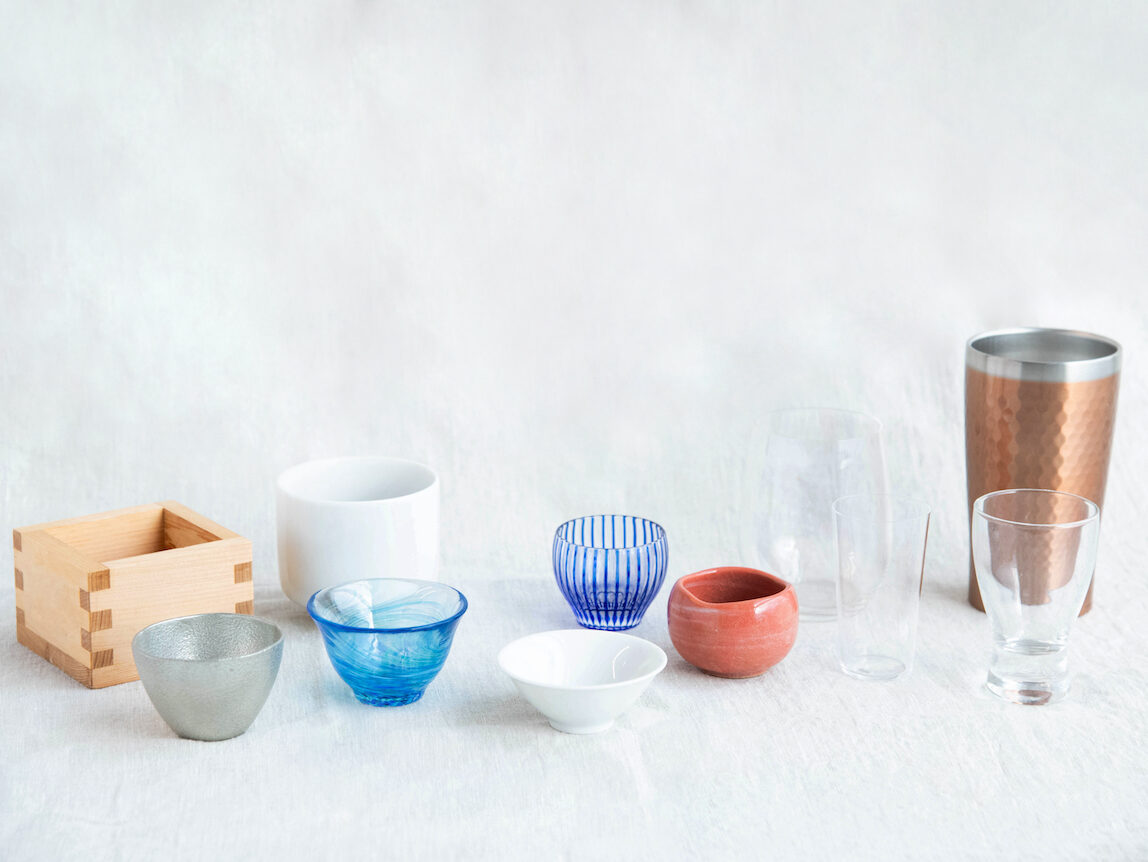
Even with the same sake, simply switching from an ochoko to a guinomi, sakazuki, or a wine glass can create completely different impressions.
In this article, we gently explain the types and characteristics of sake cups, and how to choose the right one to deepen your enjoyment of sake.
The Role of Sake Vessels
Sake vessels are much more than just containers.
They play a major role in how sake is enjoyed, affecting factors such as:
| Influenced Aspect | Explanation |
|---|---|
| Spread of Aroma | The width of the cup’s mouth changes the intensity of the aroma. |
| Temperature Retention | The material (ceramic, glass, etc.) affects how quickly the sake warms or cools. |
| Mouthfeel | The thickness and shape of the rim influence the texture on the lips. |
| Drinking Situation | The type of vessel sets the mood—formal banquets, casual occasions, or gift-giving scenes. |
In short, sake vessels are like an extra seasoning that enhances the taste experience.
Types of Traditional Sake Cups and Their Features
Let’s now introduce the essential types of sake cups you should know to better enjoy sake.
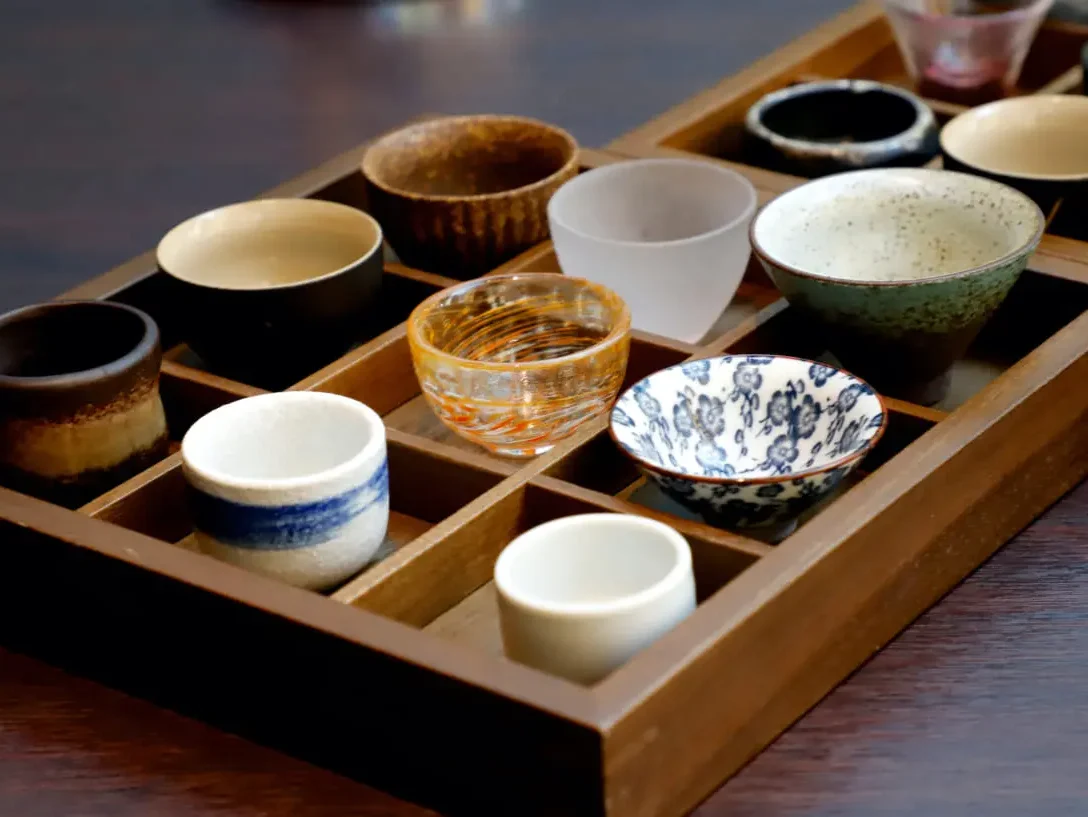
Ochoko(おちょこ)
- Small and lightweight
- Excellent at trapping aroma
- Easier to notice temperature changes with small servings
▶︎ Recommended for fresh namazake and aromatic ginjo sake!
Guinomi(ぐい呑み)
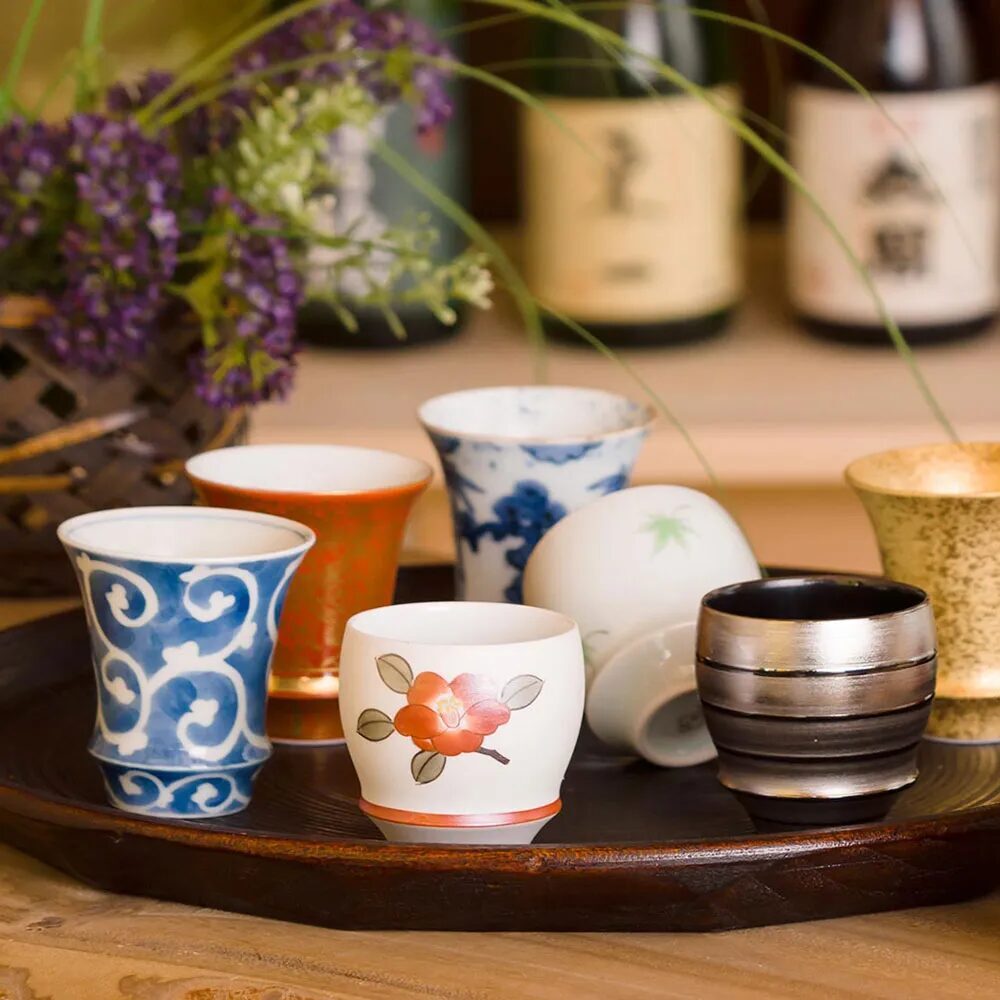
- Slightly larger than an ochoko
- Enjoyable thickness and texture in the hand
- Temperature changes occur more gradually
▶︎ Perfect for rich junmai sake and sake enjoyed during meals. Great for daily drinking!
Sakazuki(盃)
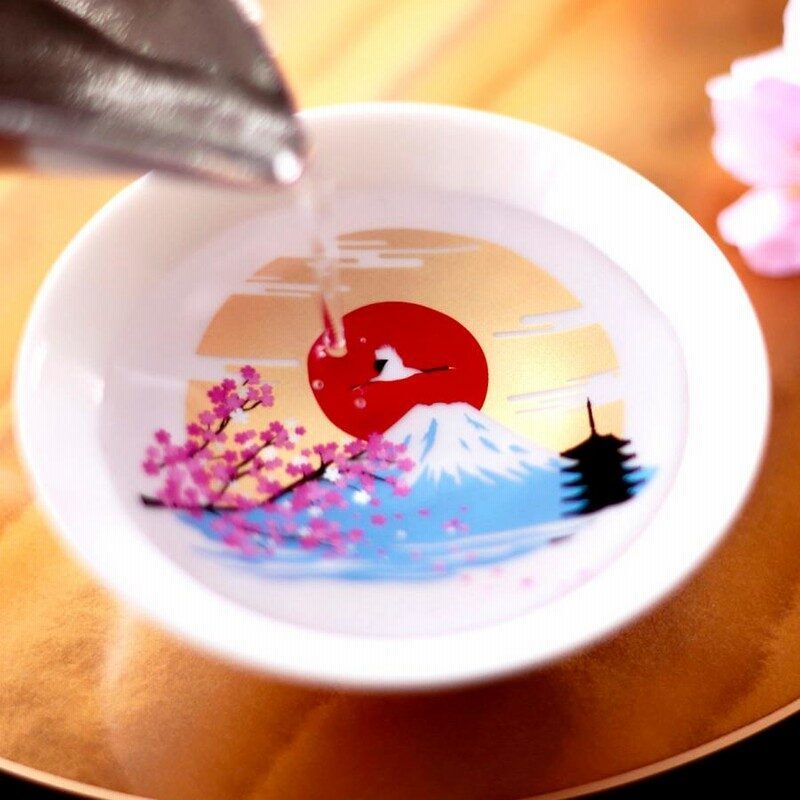
- Flat, open shape
- Designed for quick, ceremonial sipping
- Often used in rituals and celebratory occasions
▶︎ Ideal for formal ceremonies or special days, and for savoring rich sake in small amounts.
Tokkuri and Katakuchi(徳利・片口)
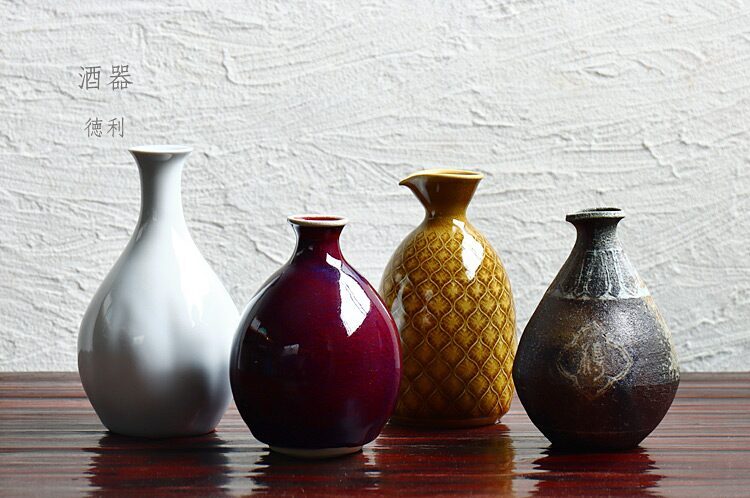
- Vessels for sharing sake among several people
- Many types are suitable for warm sake
- Katakuchi vessels allow more air contact, enhancing aroma
▶︎ Recommended for warmed junmai sake and mellow aged sake!
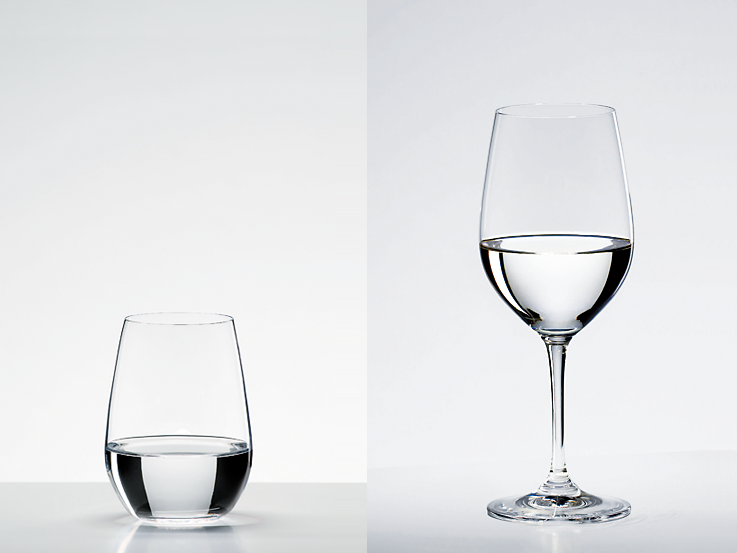
Wine Glass(ワイングラス)
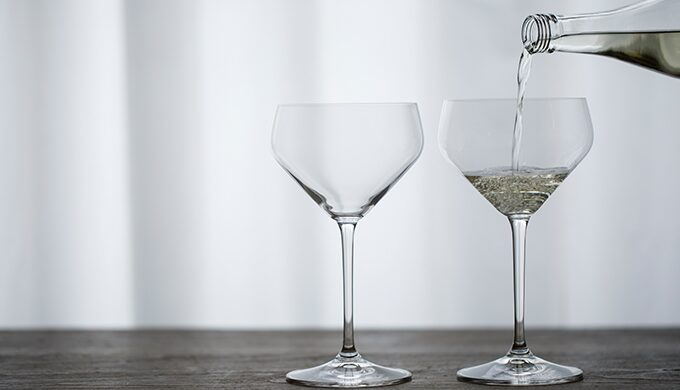
- Enhances the aroma in a three-dimensional way
- Brings out fruity and ginjo-style aromas to the fullest
- Gaining global popularity
▶︎ Best matched with daiginjo and ginjo sake for full aromatic enjoyment!
Influence of Vessel Material|Flavor Changes by Material
Not only the shape but also the material of a sake vessel affects how the sake tastes.
| Material | Features |
|---|---|
| Ceramic | Soft, mellow mouthfeel. Slow heat transfer. |
| Porcelain | Sharp, clean taste. Great for chilled sake. |
| Glass | Refreshing mouthfeel with a cooling appearance. |
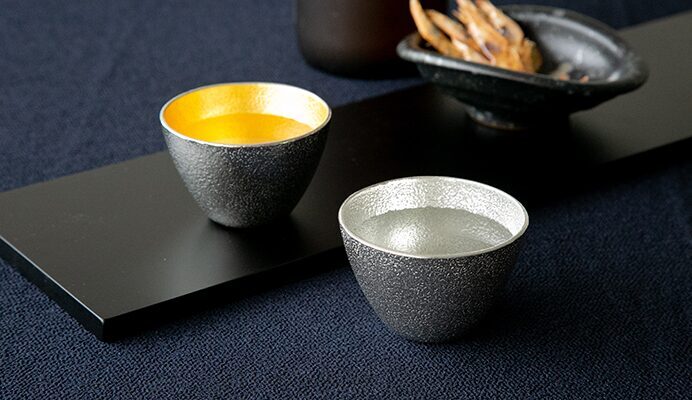
| Tin | Said to suppress unwanted flavors. Perfect for special occasions. |
Choosing a vessel material according to the flavor type and ideal serving temperature of your sake will make the experience even more enjoyable.
Recommended Sake Cups for Different Occasions
| Occasion | Recommended Vessel |
|---|---|
| Celebrations & Special Days | Sakazuki or Tin Cups |
| Daily Drinking & Mealtime | Guinomi and Tokkuri |
| Summer Chilled Sake | Glass Katakuchi and Glasses |
| Enjoying Daiginjo Sake | Wine Glass |
Selecting a sake vessel that matches the scene or mood will make your sake experience richer and more enjoyable.
Conclusion|Enjoy Sake More with the Right Cup
Choosing the right vessel is a key part of savoring sake on a deeper level.
Next time you enjoy sake, pay attention to the cup you use.
You may find that the same sake tastes several times better with the right vessel.
You Might Also Like

![[Complete Guide] What Is the Zenkoku Shinshu Kanpyokai? Japan’s Top Sake Competition](https://craftsakeworld.jp/wp-content/uploads/2025/04/z-1-e1745057660970.webp)